
News
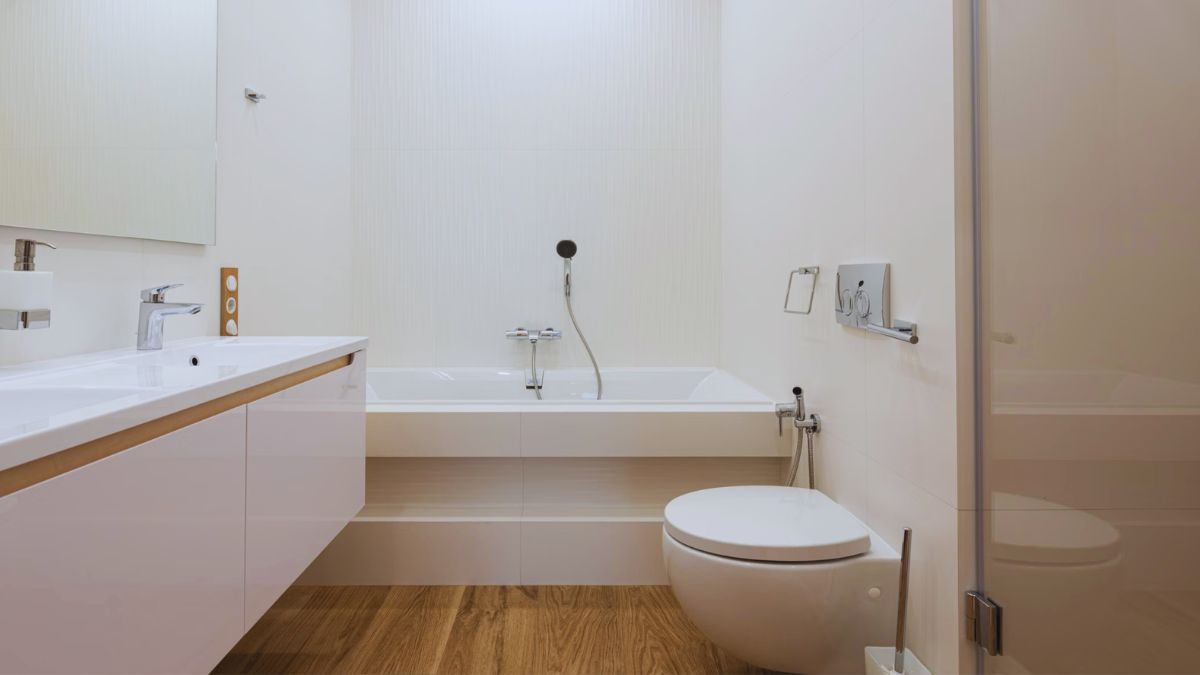
How would people respond to skipping toilet flushes? | Study
Our new study explores experiences of using WizsoTM toilet pellets, an innovative water saving strategy that reduces the need to flush after peeing. People were generally willing to leave toilets unflushed after urination – but they worried what others might think.

How long should people aim to shower? | Our research in the news
Water Efficiency ARC co-lead Dr Pablo Pereira Doel provides the first evidence-based target: people should aim to shower for no more than 3 minutes. This allows for the water – and time – needed to rinse soap and shampoo, as well as allowing extra time for comfort and leisure.
How long do people shower – and why? | Journal paper
What contributes to shower time? This study examines the specific in-shower actions that extend showering duration in domestic households in Germany. Perhaps surprisingly, the paper suggests that hair traits and gender did not affect shower time – but the actions people do in the shower did.
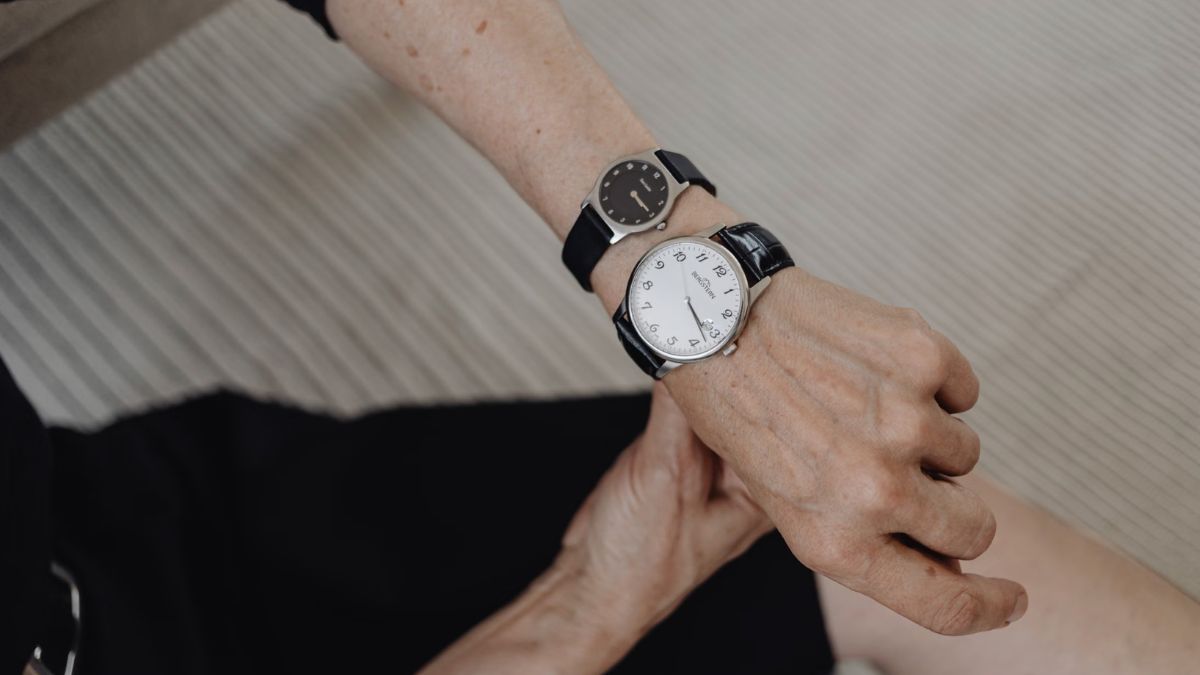
How consistent is showering behaviour? | Study
Much research on showering behaviour has focused on how often, and how long, people shower. This new paper explores an important additional variable: consistency. New data from the Water Efficiency ARC’s living lab, featuring over 15,000 shower events, shows that people show predictable patterns of when, and for how long, they typically shower.
In-shower timers can reduce shower duration – even when you have no incentive | Our research in the news
Many solutions have been proposed to help households use less water. One ground-breaking Water Efficiency ARC study, led by Dr Pablo Pereira Doel, showed that providing users with real-time feedback on shower time motivated them to reduce the length of their shower.
Making every drop count: A behaviour change blueprint for water efficiency research and action | Report
Reducing water demand requires behaviour change, but the UK water sector faces a gap in behavioural science skills and capacity. Drawing on insights from over 60 organisations, this report explores the key questions that need answering to support water efficiency behaviour change at scale.
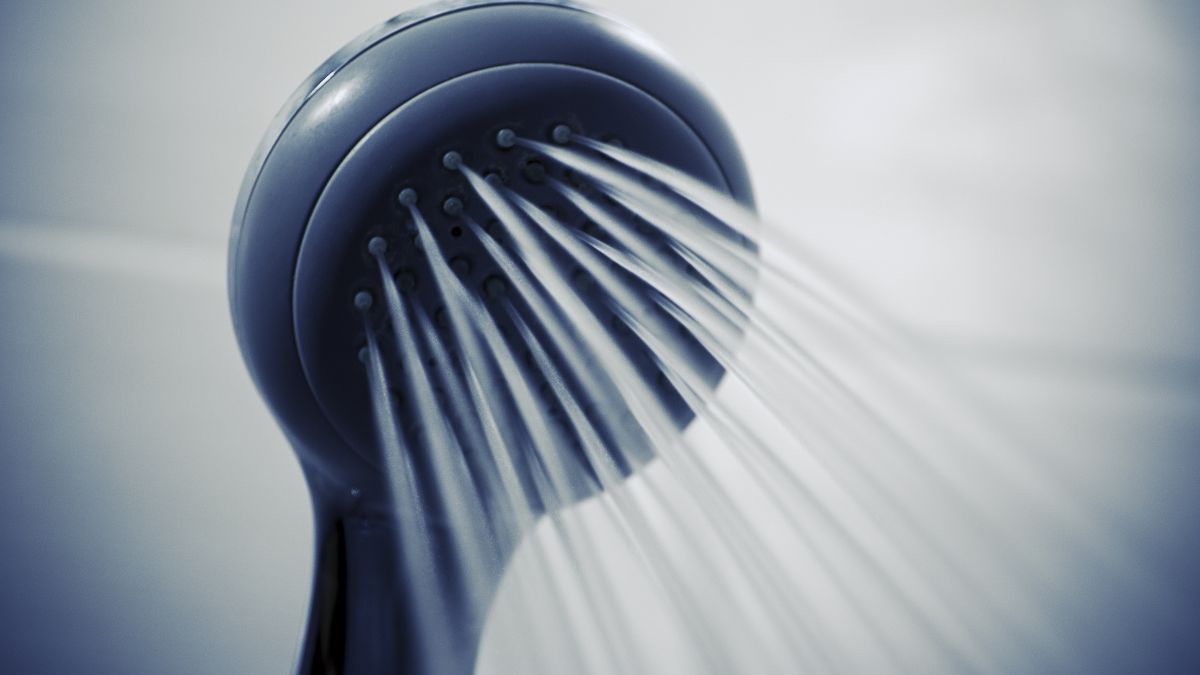
Higher water pressure may shorten shower duration | Our research in the news
Could low-pressure showers actually waste water? A Water Efficiency ARC study challenges a common assumption, finding that higher-pressure showers may encourage shorter shower times and lower overall water use.
Smart showers, smarter habits? | Waterfall podcast episode with Benjamin Gardner
Prof Benjamin Gardner features on the Consumer Council for Water’s ‘Waterfall’ podcast to discuss innovative research from the Water Efficiency ARC living lab.
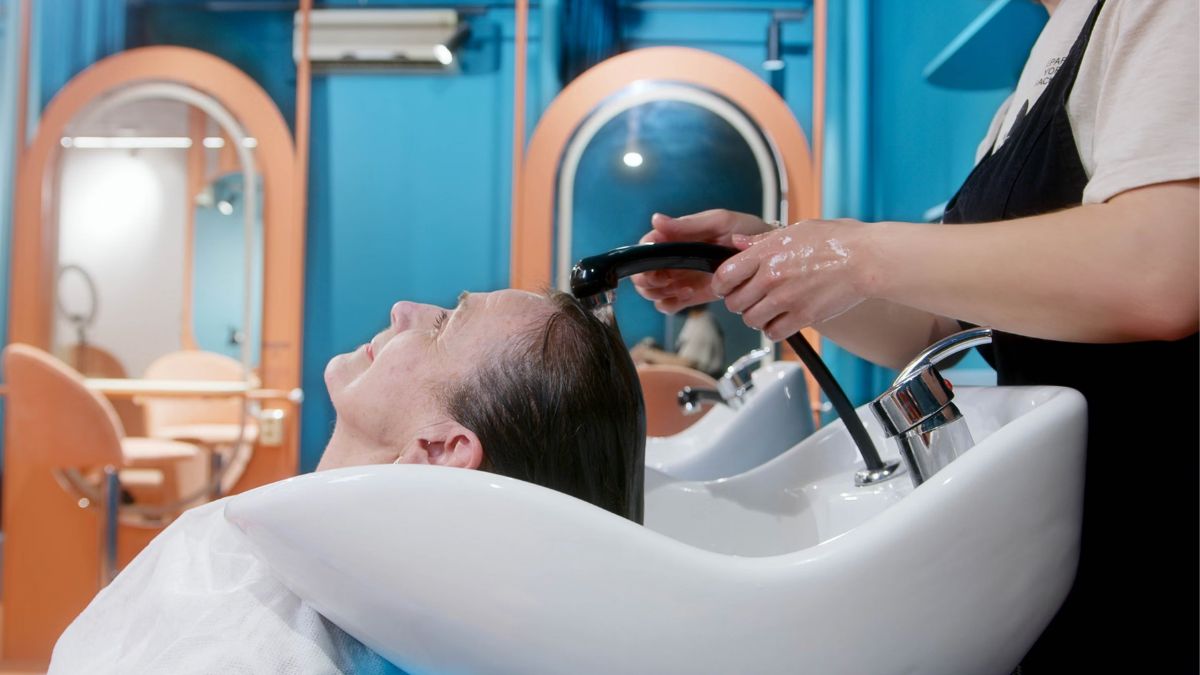
How much water do we use to wash our hair? The surprising water waste in hair care | Journal paper
Image: courtesy of Artem Podrez / pexels.com How much water do we need to use to wash our hair? In this paper, we report findings from a lab-based study, where we measured how much water was consumed to rinse off hair care products (‘rinsability’). Over 4 months, we...

What is a ‘habit’ – and how can we use habit principles to change behaviour? | Journal paper
This paper provides a state-of-the-art review of the psychology of habit, and how we can harness emerging insights into the psychology of habit principles to better understand and change everyday behaviours.